German Boxer Muscle Diet: 7 Foods for a Strong Dog
The German Boxer muscle diet can help your athletic dog maintain lean muscle, recover after exercise, and stay full of energy without piling on unnecessary fat. If you love the Boxer’s powerful chest, strong legs, and playful personality, you probably want your four-legged athlete to look and feel his best. But here’s the catch: building a muscular Boxer isn’t about feeding him more food or loading his bowl with protein. It’s about getting the right balance of nutrients, exercise, and rest.
So, what should you actually put in your Boxer’s bowl? Let’s break down the foods, feeding habits, and simple nutrition tricks that can help your dog stay strong and healthy.
What Makes the German Boxer Such a Muscular Dog?
German Boxers are known for their athletic build, broad chests, strong shoulders, and powerful hindquarters. They’re energetic, playful, and often behave like oversized puppies long after they’ve grown up.
However, those impressive muscles don’t appear overnight. Genetics determine much of your Boxer’s natural body structure, while proper nutrition and regular activity help him maintain a healthy physique.
Think of your Boxer as a sports car. High-quality fuel helps the engine perform, but filling the tank beyond capacity won’t make the car faster.
The same principle applies to your dog. A balanced diet supports muscle maintenance, while appropriate exercise helps build strength. Too many calories, on the other hand, can lead to excess body fat that hides those beautiful muscles.
7 Best Foods for a German Boxer Muscle Diet
Your Boxer doesn’t need an exotic menu or expensive supplements to stay in shape. Start with complete, balanced dog food, then consider these nutritious ingredients when planning meals with your veterinarian.
1. Chicken: A Lean Protein Favorite
Chicken provides high-quality protein that supplies essential amino acids for muscle maintenance and repair.
Serve it fully cooked, boneless, skinless, and unseasoned. Avoid chicken bones, which can splinter and cause serious injuries. Use chicken as a small addition to a balanced diet, not as a complete replacement for dog food.
2. Lean Beef: Protein With a Flavor Boost
Lean beef offers protein, iron, zinc, and vitamin B12. These nutrients support normal muscle function and overall health.
Choose thoroughly cooked, lean beef without salt, sauces, onions, or garlic. Trim excess fat to avoid unnecessary calories and digestive upset.
3. Salmon: Healthy Fats for Active Dogs
Salmon provides protein and omega-3 fatty acids, which support skin, coat, and a healthy inflammatory response.
Always cook salmon thoroughly and remove every bone. Never feed raw salmon, which can expose dogs to dangerous pathogens or parasites.
4. Eggs: Small but Nutrient-Dense
Eggs provide protein and several important nutrients. A fully cooked egg can make a useful occasional addition to your Boxer’s meals.
Skip raw eggs and avoid adding butter, salt, or oil. Remember that even nutritious extras contribute calories to your dog’s daily intake.
5. Oatmeal: An Optional Source of Carbohydrates
Plain, thoroughly cooked oatmeal supplies carbohydrates and soluble fiber. It may suit dogs that tolerate grains and need a little dietary variety.
Serve it in small portions without sugar, milk, or flavorings. Oatmeal isn’t essential for every Boxer, and it shouldn’t displace a nutritionally complete meal.
6. Green Beans and Carrots: Crunchy Extras
These vegetables provide fiber and useful micronutrients while adding variety to your dog’s bowl.
Serve them plain, steamed or chopped into manageable pieces. They can work as low-calorie treats, but they won’t build muscle on their own.
7. Complete High-Quality Dog Food
Here’s the real MVP: a complete and balanced food formulated for your Boxer’s life stage.
Look for a product that meets recognized nutritional standards, such as AAFCO’s applicable nutrient profiles in the United States or FEDIAF nutritional guidelines in Europe. A suitable formula provides the right combination of protein, fats, carbohydrates, vitamins, and minerals.
How Much Protein Does Your Boxer Really Need?
Protein is essential for maintaining muscle, but more isn’t automatically better. Your dog’s needs depend on age, body weight, activity level, overall health, and the quality of his food.
A healthy adult Boxer that enjoys daily walks and playtime has different nutritional needs from a highly active dog that regularly participates in canine sports.
Instead of chasing the highest protein percentage on a dog-food label, focus on three things:
- Adequate protein: The diet should provide enough essential amino acids to maintain muscle and support normal body functions.
- Appropriate calories: Your dog needs enough energy for daily activities without consistently consuming more than he burns.
- Balanced nutrition: Protein alone cannot replace essential fatty acids, vitamins, minerals, and other nutrients.
Puppies need particular care because their bones and joints are still developing. Feed a complete growth formula appropriate for their expected adult size, and avoid trying to accelerate muscle growth through excessive feeding or supplements.
The Secret to a German Boxer Muscle Diet: Protein, Calories, and Recovery
Here’s where nutrition gets interesting. A successful German Boxer muscle diet combines high-quality animal protein, digestible carbohydrates, healthy fats, adequate hydration, and carefully controlled portions. Look for complete Boxer dog food or another suitable large-breed adult formula that supports lean body mass, healthy weight management, and everyday energy needs. Nutrients such as essential amino acids, omega-3 fatty acids, calcium, phosphorus, and B vitamins all play different roles in canine health. Whether you choose dry kibble, wet dog food, or a combination of both, check the nutritional adequacy statement and measure daily servings rather than guessing. For active dogs, adjust calories to exercise demands, allow sufficient rest between strenuous sessions, and monitor body condition instead of relying on weight alone. This approach supports muscle maintenance without encouraging unnecessary weight gain.
Dry Food vs. Wet Food: Which Is Better for Boxers?
There’s no universal winner. Both dry and wet food can support a healthy, muscular Boxer if the product is complete and balanced for your dog’s life stage.
Dry Dog Food
- Convenient to measure and store.
- Usually more calorie-dense per gram than wet food.
- Often more economical for daily feeding.
Wet Dog Food
- Contains more moisture.
- May appeal to picky eaters.
- Often has fewer calories per gram because of its water content, although products vary.
You can feed either option or combine them. Just calculate the total daily calories from both foods and any treats. Don’t assume that a food labeled premium, natural, or high protein automatically provides better nutrition.
How to Feed Your Boxer Without Encouraging Weight Gain
Even the best food won’t help your dog stay lean if his portions are too large.
Start with the feeding guide on the food packaging, then adjust according to your dog’s body condition, activity level, and weight trend. The guide is a starting point, not a perfect prescription for every Boxer.
For most healthy adult Boxers, dividing the daily ration into two meals is a practical approach. Puppies usually need more frequent meals, depending on their age and feeding plan.
Use these simple habits to keep feeding on track:
- Measure food with a kitchen scale or a consistent measuring cup.
- Count treats, training rewards, and table-food extras toward daily calories.
- Keep fresh water available at all times.
- Reassess portions if your dog gains excess fat or starts losing weight unexpectedly.
- Consult your veterinarian before making major dietary changes.
A useful visual check is your Boxer’s waist. Viewed from above, you should see a waist behind the ribs. From the side, the abdomen should tuck upward slightly. You should be able to feel the ribs without pressing through a thick layer of fat, although they shouldn’t be prominently visible.
The Big Boxer Warning: Bloat and Exercise Timing
Boxers have a deep chest, and deep-chested dogs are among the breeds at increased risk of gastric dilatation-volvulus (GDV), commonly called bloat. This life-threatening emergency occurs when the stomach distends and may twist.
No feeding schedule can guarantee prevention, but sensible habits can help manage risk.
Avoid strenuous exercise immediately before or after meals. Give your Boxer a calm period around feeding, and discuss an appropriate meal and exercise schedule with your veterinarian. Avoid encouraging him to gulp enormous meals or drink excessive amounts of water all at once after intense activity.
Watch for warning signs such as:
- A swollen or suddenly enlarged abdomen.
- Repeated retching without producing vomit.
- Excessive drooling or restlessness.
- Weakness, difficulty breathing, or collapse.
If you suspect bloat, seek emergency veterinary care immediately. Don’t wait to see whether the symptoms disappear.
Do Boxers Need Protein Supplements to Build Muscle?
In most cases, a healthy Boxer eating a complete and balanced diet doesn’t need a bodybuilding supplement.
Human protein powders, pre-workout products, and muscle-building supplements aren’t designed for dogs. Some contain sweeteners, stimulants, or other ingredients that can be dangerous to pets.
Even supplements marketed specifically for dogs deserve a closer look. Adding calcium, vitamins, or other minerals without a demonstrated need can disrupt the nutritional balance of a complete diet. Excessive supplementation is especially concerning for growing puppies.
If your Boxer is unusually thin, struggles to maintain muscle, or loses weight despite eating normally, don’t simply add more protein. Dental problems, digestive disorders, parasites, and other medical conditions can interfere with weight and muscle maintenance. A veterinarian can help identify the cause and recommend an appropriate diet.

Exercise: Help Your Boxer Turn Good Nutrition Into Strength
Food provides the building blocks, but movement helps your Boxer maintain strength, coordination, and fitness.
For a healthy adult Boxer, a varied routine can include:
- Daily walks: Build endurance and provide mental stimulation.
- Controlled play: Fetch and other interactive games can keep your dog active.
- Strength-building activities: Appropriate hill walks, balance exercises, and supervised canine fitness activities can challenge muscles without relying on excessive impact.
- Recovery time: Rest days and adequate sleep allow your dog to recover between demanding activities.
Start gradually and increase exercise intensity according to your dog’s fitness. Boxers can struggle in hot weather because their short muzzle can make cooling less efficient. Exercise during cooler hours, watch for heavy or labored breathing, and stop if your dog shows signs of overheating.
Avoid strenuous exercise for puppies whose joints and bones are still developing. If your Boxer has joint problems, heart disease, breathing difficulties, or another health condition, ask your veterinarian which activities are appropriate.
Remember, the goal isn’t to turn your dog into a canine bodybuilder. It’s to help him remain strong, comfortable, and ready for the next adventure.

Sample Daily Feeding Plan for a Muscular Adult Boxer
Wondering what a typical day could look like? Here’s a simple framework you can adapt to your dog’s individual needs.
Morning: Breakfast
A measured portion of complete adult dog food, followed by a calm rest period. Schedule walks around meals rather than rushing straight into strenuous activity.
Afternoon: Activity and Optional Treats
Take a walk or enjoy a short play session in suitable weather. Use a few pieces of your dog’s regular kibble as training rewards, or offer a small dog-safe treat.
Evening: Dinner and Relaxation
Feed the remaining measured daily ration. Keep the evening relaxed around meals, provide fresh water, and let your Boxer wind down.
This is a routine example, not a fixed calorie prescription. The right quantity depends on your Boxer’s weight, age, neuter status, activity, and body condition. A veterinarian can help calculate a suitable daily calorie target.
German Boxer Muscle Diet: Mistakes Dog Owners Should Avoid
Want to help your Boxer look athletic without compromising his health? Avoid these common feeding mistakes.
1. Feeding too much to speed up muscle growth. Extra calories usually increase body fat rather than produce stronger muscles.
2. Choosing food based on protein percentage alone. A complete nutritional profile matters more than a single number on the label.
3. Relying on meat-only meals. Meat can provide protein, but an unbalanced homemade diet may lack essential vitamins, minerals, and other nutrients.
4. Giving human supplements. Products intended for people may contain unsuitable or toxic ingredients.
5. Ignoring unexplained weight changes. Sudden weight loss, reduced appetite, persistent diarrhea, or loss of muscle deserves veterinary attention.
6. Pushing exercise too hard. More exercise isn’t always better, especially for puppies, older dogs, or Boxers with breathing and joint problems.
Small, consistent improvements usually beat dramatic changes. Get the basics right, monitor progress, and give your dog time to respond.
Frequently Asked Questions
Choose a complete and balanced dog food appropriate for your Boxer’s life stage, with adequate high-quality protein and sufficient calories for his activity level. Lean cooked meat can serve as an occasional topper, but it shouldn’t replace a balanced diet.
Look at his waist and abdominal tuck, and feel his ribs. A healthy Boxer should have a visible waist and ribs that are easy to feel without excessive pressure. Your veterinarian can assess his body condition score and determine whether he needs to gain or lose weight.
Chicken and rice can be useful as a short-term, veterinarian-directed bland diet in certain circumstances. However, ordinary chicken and rice don’t provide all the nutrients a dog needs for long-term health. Use a complete and balanced food for regular feeding unless your veterinarian has formulated a suitable alternative.
Not necessarily. Grains can supply useful nutrients and energy, and most dogs don’t need a grain-free diet. Because certain grain-free diets have been investigated for a possible association with diet-associated dilated cardiomyopathy, discuss any reason for choosing one with your veterinarian, especially for a breed with known cardiac concerns.
It depends on your dog’s age, genetics, starting condition, diet, and exercise routine. Improvements in fitness may develop over several weeks, but visible changes vary. Focus on gradual progress and healthy body condition rather than chasing a particular muscular appearance.
Growing puppies need adequate protein and carefully balanced nutrients, but the best choice is a complete food formulated for growth and appropriate for their expected adult size. Don’t use adult bodybuilding formulas or extra calcium to accelerate development.
Final Thoughts: Feed Smart, Train Safely, Love Your Boxer
A great German Boxer muscle diet doesn’t have to be complicated. Start with complete, balanced dog food, provide adequate protein and calories, measure portions, and build a sensible exercise routine around your dog’s age and fitness.
Add suitable whole-food treats if they fit his nutritional needs, keep him hydrated, and give him plenty of time to recover. Most importantly, judge success by more than the size of his chest or shoulders. Healthy weight, comfortable movement, good energy, and a happy personality are much better signs that you’re doing things right.
Your Boxer doesn’t need a bodybuilder’s menu. He needs a diet that helps him feel like the energetic, affectionate athlete he was born to be.

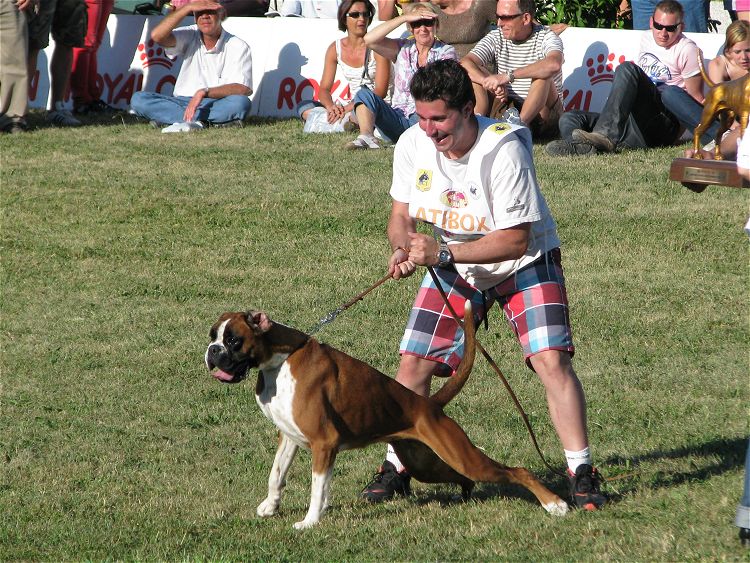
POV: Your Boxer hit the gym but skipped leg day.