Are Boxers Double Coated? Coat Type, Shedding & Care
Introduction: Are Boxers Double Coated?
No, Boxers are generally considered single-coated dogs rather than traditional double-coated breeds. They have a short, smooth, glossy coat that lies close to the body. However, breed standards primarily describe the coat’s length, texture, and appearance rather than explicitly defining its layer structure. This distinction matters when discussing shedding, grooming, and cold-weather protection.
If you are wondering whether a Boxer needs extensive grooming, sheds heavily, or can comfortably spend time outdoors in winter, understanding its coat is a useful place to start.

Are Boxers Double Coated?
Boxers are commonly classified as single-coated dogs, although official breed standards focus on their short, hard, glossy, close-fitting hair rather than providing a detailed anatomical classification of coat layers.
The American Kennel Club breed standard describes the Boxer’s coat as short, shiny, and lying smooth and tight to the body. The Royal Kennel Club uses similar wording, describing the breed as smooth-coated with a short, glossy coat.
In practical terms, Boxers do not have the thick, visibly insulating coat typically associated with breeds such as Siberian Huskies or many northern working dogs. Their short coat provides less apparent insulation against cold conditions, so owners should pay attention to weather, wind, activity, and the individual dog.
Quick answer: Boxers have a short, smooth coat and are commonly regarded as single-coated. Their coat is relatively easy to maintain, but they still shed and may be sensitive to cold weather.
What Type of Coat Do Boxers Have?
The Boxer has a short, smooth coat that fits closely against the skin. Its texture is generally described as hard or glossy rather than long, fluffy, or feathered.
The breed standards from several kennel organizations consistently identify these characteristics:
- Length: Short.
- Texture: Hard, smooth, or glossy.
- Appearance: Close-fitting and lying tight to the body.
- Grooming: No long feathering or elaborate coat trimming is required for the typical breed coat.
United Kennel Club (UKC)+2
Single Coat vs. Double Coat: What Is the Difference?
A double coat typically consists of two functional layers:
- Topcoat (guard hairs): The outer layer that helps protect the skin from environmental exposure.
- Undercoat: A softer, often denser layer beneath the outer hairs that can provide insulation.
A single coat does not have the same type of dense, distinct insulating undercoat found in many double-coated breeds. However, coat biology is more varied than a simple two-category system, and breed descriptions do not always specify every detail of the hair follicles or seasonal changes.
For Boxers, it is more accurate to rely on their recognized short, close-fitting coat and avoid assuming that all short-haired dogs have the same structure.
Do Boxers Have an Undercoat?
This is a question that deserves a little care. Boxers are widely described in grooming references as single-coated, but the major breed standards reviewed here do not explicitly state “no undercoat.” They describe the coat’s physical appearance and texture rather than provide a detailed microscopic classification.
That means you should be cautious with absolute claims about every Boxer having precisely the same hair structure.
The Difference Between Topcoat and Undercoat
The outer coat is the hair you can see and feel when you stroke your dog. An undercoat, when present, consists of finer or softer hairs beneath the outer layer.
In breeds with a dense undercoat, seasonal changes can be especially noticeable. Boxers, by contrast, have a short coat that generally requires much less coat maintenance than long-haired or heavily undercoated breeds.
A Boxer’s individual coat can vary in density and texture. If your dog develops unusual hair loss, bald patches, significant thinning, or skin irritation, the issue should be assessed separately from the question of whether the breed is single- or double-coated.
Can a Boxer Have a Thicker Coat?
Yes, individual dogs can differ in how dense their hair appears. Factors such as genetics, age, season, and general health can influence the appearance of a dog’s coat.
A Boxer with a slightly thicker-looking coat should not automatically be classified as a double-coated dog. Coat thickness alone does not establish the presence of a distinct, dense undercoat.
Do Boxers Shed a Lot?
Yes, Boxers shed, despite having short hair. Their coat is not long or fluffy, but loose hairs can still accumulate on furniture, clothing, carpets, and bedding.
One of the challenges with short-haired dogs is that their hairs can be small and stiff, making them noticeable on fabrics even when the overall grooming routine is relatively simple.
Boxer Shedding Compared to Double-Coated Breeds
Boxers generally do not require the same type of undercoat-focused grooming routine as breeds with thick, seasonal coats. However, the amount of hair a Boxer sheds varies from dog to dog.
Consider the following differences:
| Feature | Boxer | Many double-coated breeds |
|---|---|---|
| Coat length | Short | Short, medium, or long |
| Coat appearance | Smooth and close-fitting | Often a distinct outer coat and undercoat |
| Grooming needs | Usually straightforward | Can require more intensive seasonal brushing |
| Loose hair | Can be noticeable | May increase substantially during seasonal shedding |
| Cold insulation | Limited by short coat | Depends on coat density and breed |
This is a general comparison, not a guarantee of shedding levels for every individual dog.
How to Groom a Boxer’s Coat
One of the advantages of a Boxer’s short coat is that routine grooming is usually uncomplicated. You do not need to manage long mats, extensive feathering, or a heavy coat that requires frequent professional trimming.
A basic grooming routine can help remove loose hair, keep the coat clean, and give you an opportunity to inspect the skin.
How Often Should You Brush a Boxer?
Regular brushing is useful even if your Boxer has short hair. The exact schedule depends on how much your dog sheds, its skin condition, and your household preferences.
A practical routine includes:
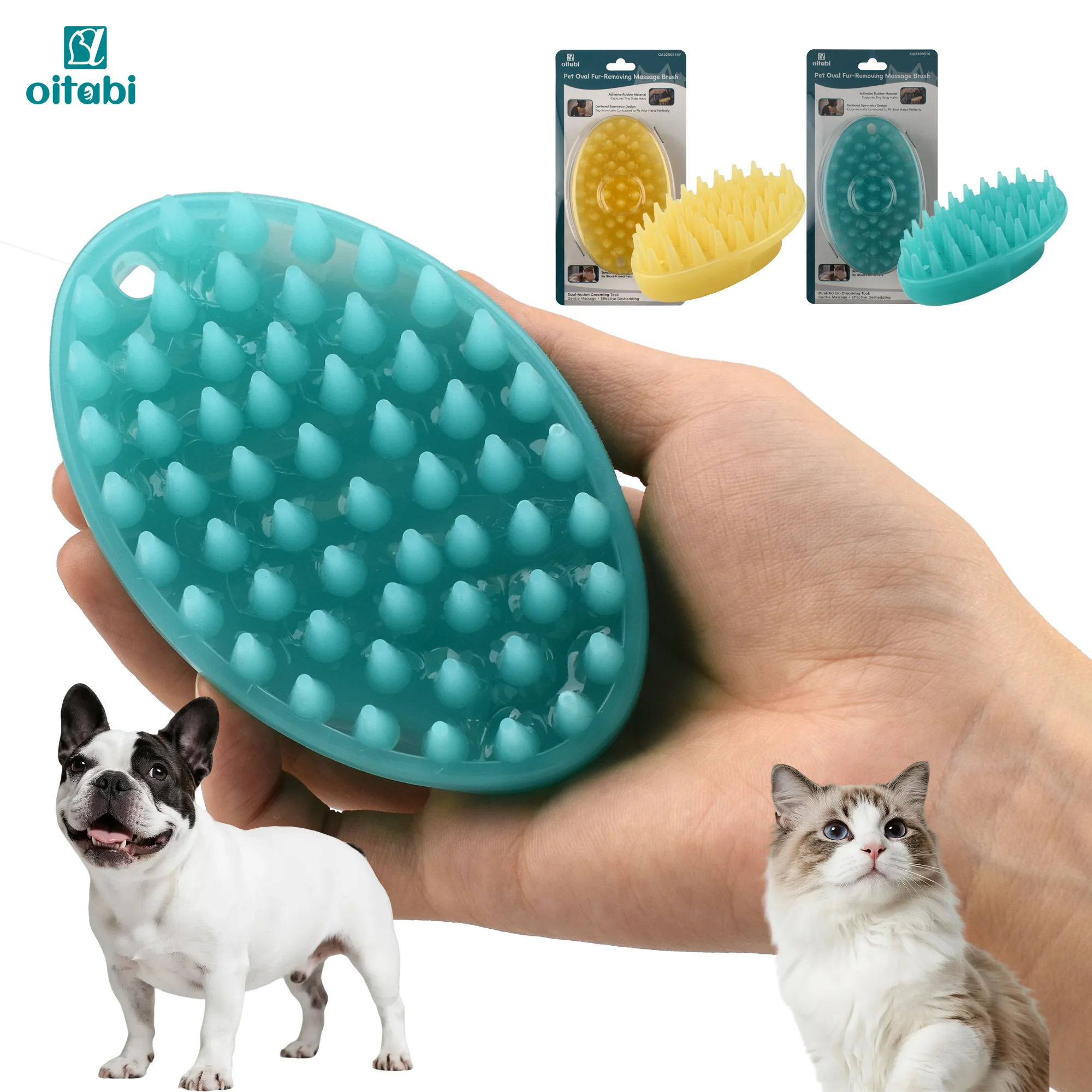
- Brush the coat periodically using a soft grooming brush or rubber grooming mitt.
- Work gently over the body without applying excessive pressure.
- Pay attention to areas where loose hair accumulates.
- Inspect the skin for redness, irritation, or unusual changes.
A short coat does not require aggressive brushing. The goal is to remove loose hair and support routine coat care, not to strip or damage the skin.
Do Boxers Need Regular Baths?
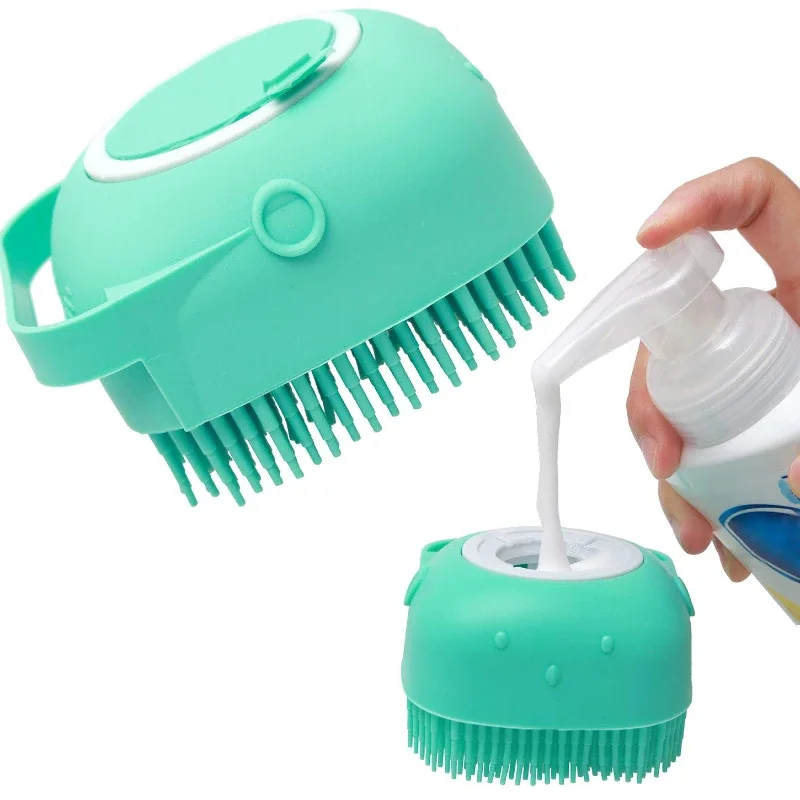
Boxers do not need frequent baths simply because they have short hair. Bathing should be based on the dog’s activity, dirt, odor, and individual skin needs.
When bathing your Boxer:
- Use a shampoo formulated specifically for dogs.
- Avoid harsh household soaps or human shampoo.
- Rinse thoroughly to remove product residue.
- Dry the dog comfortably and avoid exposing it to cold conditions while wet.
If your Boxer has persistent itching, redness, scaling, or recurrent skin problems, consult a veterinarian rather than relying solely on bathing products.

Should You Shave a Boxer?
Routine shaving is not necessary for a healthy Boxer. The breed already has a naturally short coat, and removing more hair does not automatically improve comfort or reduce shedding.
Shaving should not be used as a general solution for shedding or hot weather. Discuss any medical or surgical grooming requirements with your veterinarian.
Are Boxers Good in Cold Weather?
Boxers have a short coat, so owners should take cold-weather protection seriously. A dog’s ability to tolerate cold depends on more than coat type alone: temperature, wind, moisture, activity level, age, body condition, and individual health all matter.
A Boxer should not be assumed to tolerate prolonged cold outdoor exposure simply because it is an athletic breed.
Do Boxers Need a Winter Coat?
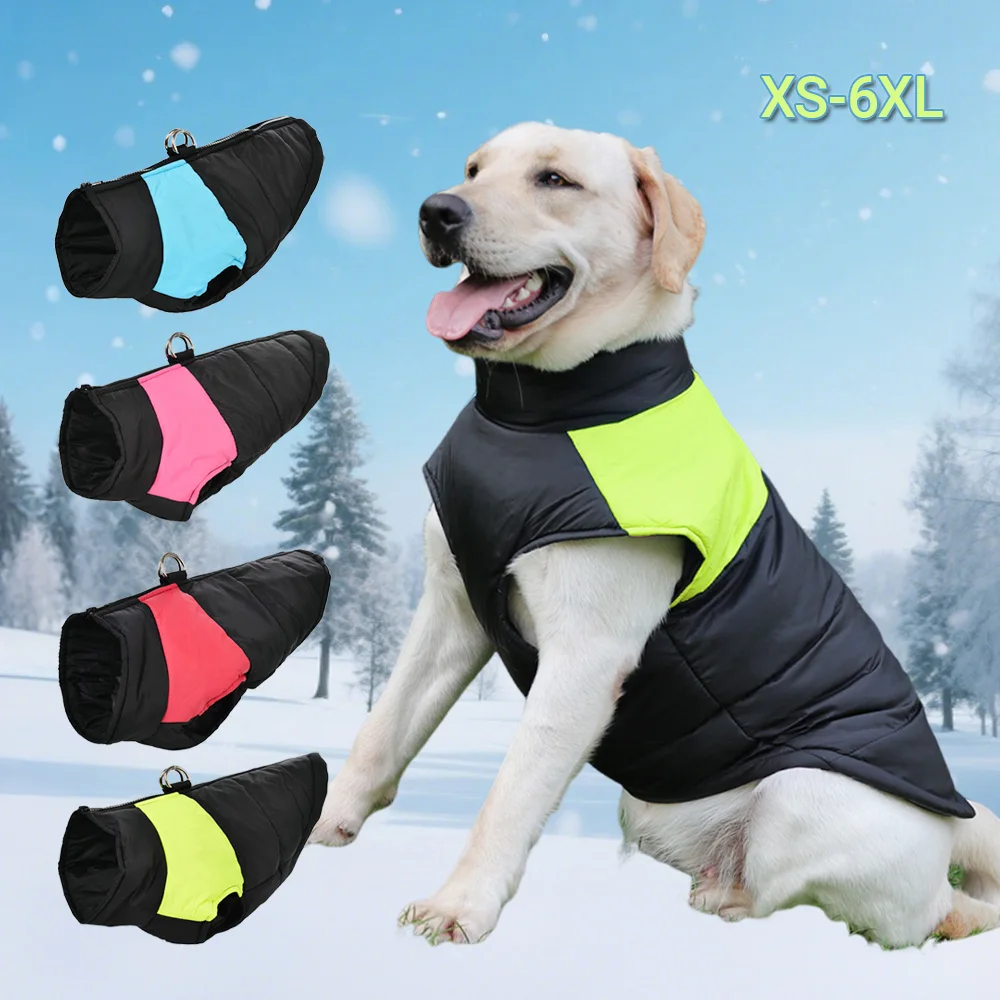
A winter jacket may be useful for some Boxers, particularly during cold walks, windy weather, or extended periods outside. It should fit comfortably and allow normal movement.
Pay attention to your dog’s behavior. Possible signs that a dog is becoming too cold include:
- Shivering.
- Reluctance to continue walking.
- Lifting paws or seeking shelter.
- Hunched posture or unusual discomfort.
- Weakness or marked lethargy.
If your dog shows signs of significant cold stress, move it to a warm environment and seek veterinary advice when appropriate.

Can Boxers Live Outside in Winter?
Boxers are companion dogs that benefit from living with their families. Their short coat is not a reason to leave them exposed to freezing temperatures or harsh weather for extended periods.
For winter care:
- Provide a warm, dry, sheltered resting area.
- Limit exposure to severe cold.
- Monitor your dog during outdoor activities.
- Avoid leaving the dog unattended in dangerous weather.
- Consider a properly fitted coat when conditions call for extra protection.
There is no single temperature threshold that safely applies to every Boxer. Individual tolerance and the full weather conditions must be considered.
Are Boxers Hypoallergenic?
No, Boxers are not considered a hypoallergenic dog breed.
Having short hair does not mean a dog produces no allergens. Allergens can come from sources such as dander, saliva, and other proteins associated with dogs.
If someone in your household has allergies, a short coat alone is not a reliable indicator of how they will react to a Boxer.
How to Reduce Loose Hair at Home
Regular cleaning can help manage hair around the house:
- Brush your Boxer routinely.
- Wash bedding as needed.
- Vacuum floors and furniture.
- Keep the dog’s resting areas clean.
- Pay attention to individual allergy triggers.
People with significant allergies should discuss their situation with a qualified healthcare professional.

Boxer Coat Care: Common Mistakes to Avoid
A short coat is relatively simple to maintain, but that does not mean every grooming practice is appropriate.
Mistake 1: Assuming Short Hair Means No Shedding
Boxers shed even though their hair is short. Brushing and regular household cleaning can help manage loose hair.
Mistake 2: Brushing Too Aggressively
A harsh brush or excessive pressure can irritate the skin. Choose a grooming tool suitable for short-haired dogs and use gentle movements.
Mistake 3: Bathing Too Frequently
Frequent unnecessary bathing can contribute to skin irritation in some dogs. Use a suitable canine shampoo and tailor bathing to your Boxer’s needs.
Mistake 4: Shaving to Reduce Shedding
Shaving is not a routine requirement for Boxers. Removing hair is not a guaranteed way to stop shedding or improve heat tolerance.
Mistake 5: Ignoring Skin Changes
Redness, persistent itching, sores, unusual odor, or significant hair loss should not be dismissed as ordinary shedding. These signs can have different causes and may require veterinary assessment.
Frequently Asked Questions About Boxer Coats
Boxers are commonly considered single-coated dogs. Their recognized breed coat is short, smooth, glossy, and close-fitting. Breed standards do not provide a detailed explicit statement about the absence of an undercoat, so absolute claims about coat anatomy should be made carefully.
Boxers shed, but the amount and seasonal pattern can vary between individual dogs. There is not enough basis to claim that every Boxer experiences a specific, predictable winter shedding increase.
Boxers are generally described as single-coated rather than having the thick undercoat associated with many double-coated breeds. However, official breed standards focus on the coat’s visible characteristics and do not explicitly define the breed as having no undercoat.
Regular brushing is beneficial for removing loose hair and supporting coat care. The ideal frequency depends on the individual dog’s shedding, skin condition, and household needs. A soft brush or grooming mitt is a practical choice for a short coat.
Boxers are not considered hypoallergenic. Their short hair does not eliminate allergens, and individual reactions vary. People with allergies should assess their response to the specific dog rather than relying on coat length alone.
Some Boxers may benefit from a jacket during cold or windy weather, especially on longer walks or when the dog is sensitive to low temperatures. The decision depends on weather conditions and the individual dog’s tolerance.
Yes, a dog’s coat appearance can change as it matures, and its hair density or texture may vary. Significant or unusual changes, particularly when accompanied by itching or skin abnormalities, should be discussed with a veterinarian.
Final Thoughts: Understanding the Boxer’s Coat
So, are Boxers double coated? Boxers are generally considered single-coated dogs with short, smooth hair. Their coat is relatively easy to groom, but they still shed and should be protected from harsh cold weather.
The most important care tips are simple: brush regularly, use gentle grooming products, monitor skin health, and adjust outdoor activities to the weather and your dog’s individual needs.
A short coat does not mean a Boxer requires no grooming or has complete protection from the cold.
Sources & Further Reading
For reliable breed information, consult established kennel organizations and veterinary resources:
- The Royal Kennel Club – Boxer Breed Standard — Official coat description and breed characteristics.
- United Kennel Club – Boxer Breed Standard — Coat texture and breed standard.
- PetMD – Boxer Dog Breed Information — General Boxer care and health information.