German Boxer Muscle Diet: 7 Foods for a Strong Dog
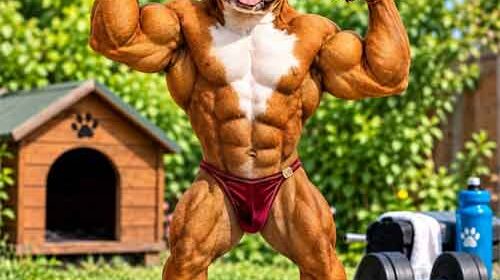
German Boxer Muscle Diet

The German Boxer muscle diet can help your athletic dog maintain lean muscle, recover after exercise, and stay full of energy without piling on unnecessary fat. If you love the Boxer’s powerful chest, strong legs, and playful personality, you probably want your four-legged athlete to look and feel his best. But here’s the catch: building a muscular Boxer isn’t about

Read more

Nutrition – The Origin of Balance Between Type 1 and Type 2 Prostaglandins

The Origin of Balance Between Type 1 and Type 2 Prostaglandins Gamma-Linolenic Acid or GLA Quick transformation Dihomo-gamma-linolenic acid or DHLA Quick transformation : slow transformation Type 1 prostaglandins: arachidonic acid Reducing inflammation Type 2 prostaglandins Encouraging inflammation On occurrences of skin disorders of allergic origin, it has been noted that the production of type 1 prostaglandins is reduced, probably

Read more

Feeding programs in kennel

Feeding programs in kennel

Feeding programs in kennel 1 – nutritional requirements for the maintenance of an adult dog. 2 – Specific Nutritional Requirements: 3 – The Normal Eating Habits of Dogs 4 – The Most Frequent Eating Problems 5 – Variations of the Nutritional Requirements 6 – How to Establish a Rationing Plan in Breeding 7 – Conclusion   about boxer

Read more

Nutrition of the Old Dog

Nutrition of the Old Dog Boxer

Nutrition of the Old Dog  An old dog is much more sensitive than a young dog to the amount of human contact each day. It will seek out its owner’s company, and mealtimes become much more important to it. Be that as it may, the dog’s food should compensate for its increased susceptibility due to aging, and should help it

Read more
1 2